

Delivering service change in the NHS is rarely simple. Even with the best intentions, programmes can stall, lose focus or create avoidable tension. Based on years of experience working alongside NHS teams, here are five of the most common pitfalls we see and practical ways to avoid them. 1. Unrealistic timescales and optimism bias Too…
michelle

Do we have to involve people when we’re making temporary changes?

For years we lacked clarity on what the requirement is in temporary service change situations, then in 2020, an NHS Trust made urgent temporary changes to some services as part of its phase 2 COVID-19 response. The decision was challenged in court. The Dawson case, as it is known, looked at whether this Trust had…
Caroline joins the latest episode of the Brain Fuel podcast
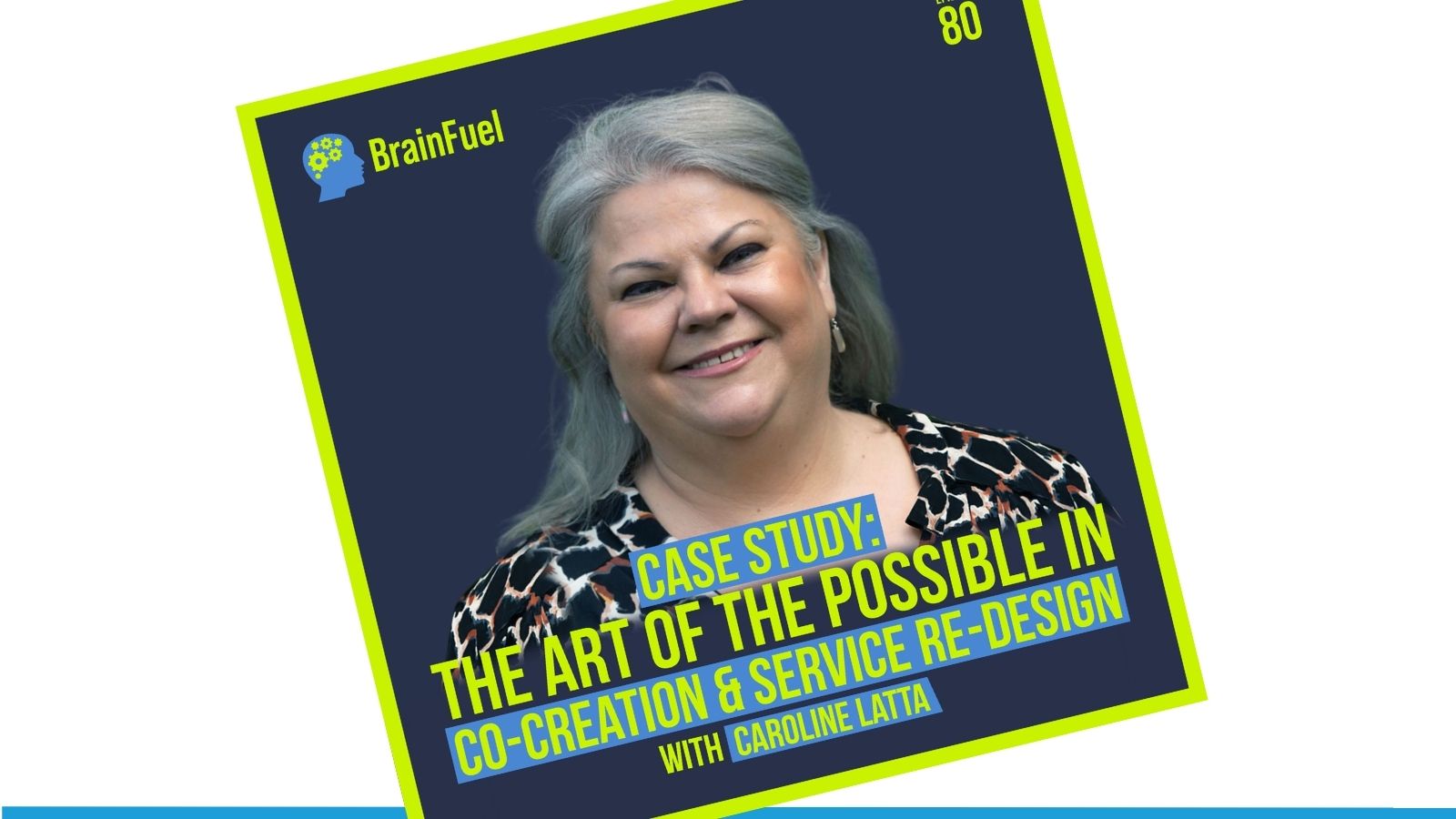
Our director, Caroline Latta, joins Ruth Dale on the latest episode of the Brain Fuel podcast for a thoughtful and uplifting conversation about what real co-design looks like when you stop relying on surveys and start creating experiences. The episode highlights a very special short breaks project where the Olovus team created experiences that helped…
Citizens’ Jury in health and care: When we trust the public, they rise to the challenge
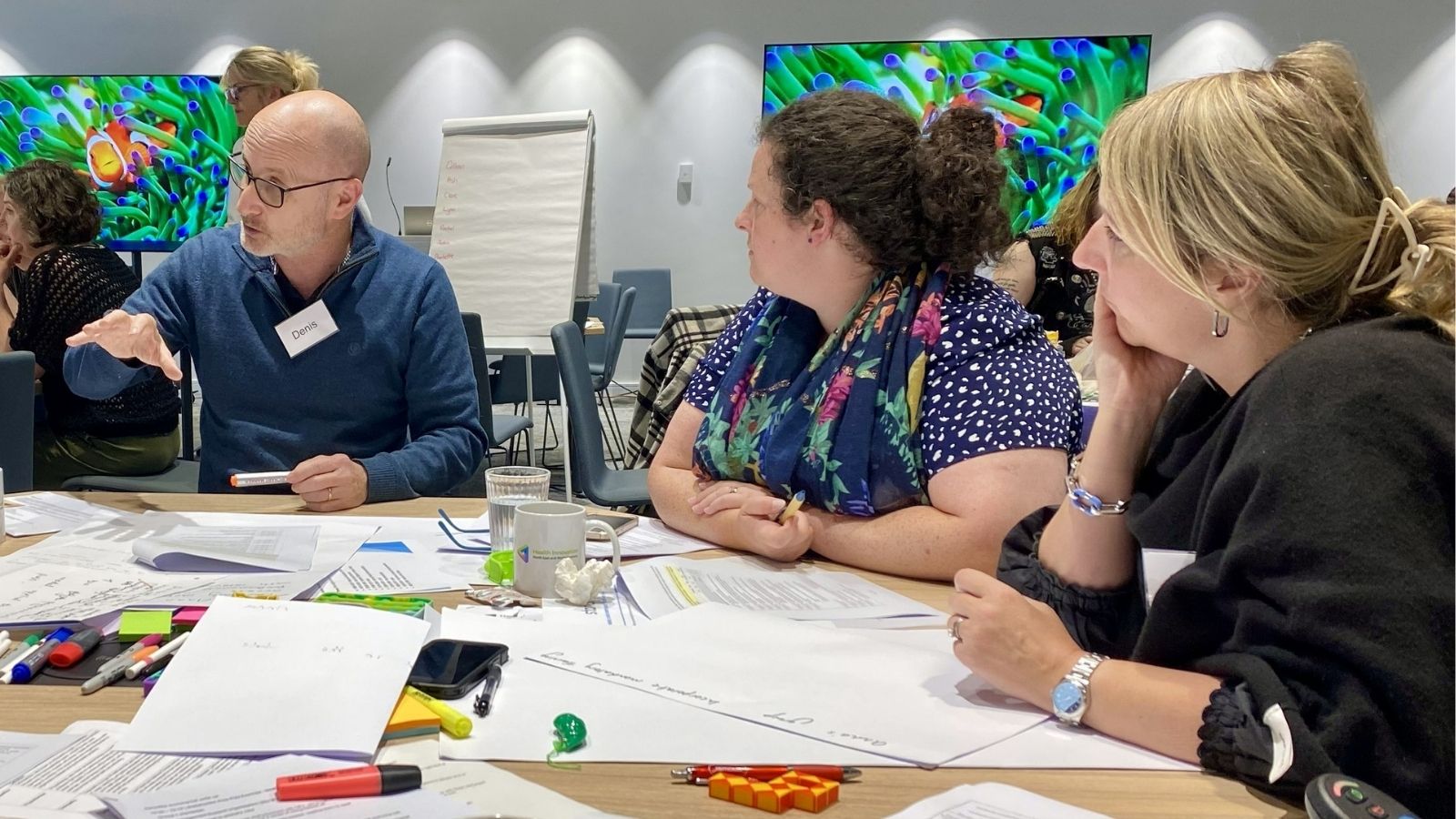
This week our team is joining colleagues at the Pain Management Conference to share a story that has stayed with us, the citizens’ jury on persistent pain we ran with Health Innovation North East and North Cumbria (HI NENC). At first glance, it was a regional health challenge: some of the highest rates of opioid…
From reactive to proactive: what the model ICB blueprint really asks of public involvement
In our last blog, we talked about the model ICB blueprint as an opportunity, not just a restructure. A shift towards more inclusive, evidence-informed commissioning, where public involvement is core, not a bolt-on. But let’s be honest, how we do involvement matters just as much as whether it’s mentioned in a strategy. Because despite all…
The model ICB blueprint: why this is a step forward for public involvement

There’s been a lot of commentary around the new model ICB blueprint, most of it focused on what’s being “stripped away” from commissioning. But what if we flipped the narrative? Less function doesn’t have to mean less value. In fact, fewer functions could be an opportunity to slow down, gather better insights, and use them…
Winning public trust – how we helped two secure data environments gain Section 251 approval

Getting Section 251 approval from the Health Research Authority’s Confidentiality Advisory Group (CAG) isn’t just about paperwork. It’s about proving that when confidential patient data is used without consent, it’s done responsibly, with the right safeguards, and in a way that earns public trust. For two secure data environments (SDEs), a key challenge was demonstrating…
January judicial review: A wake-up call for transparent and fair public consultation

The courts are continually refining consultation law. As the challenges become more detailed, so do the rulings. It means we’re constantly learning! This case, Clifford, R (On the Application Of) v Secretary of State for Work and Pensions [2025] EWHC 58 (Admin) reminds prospective consultors that transparency, understanding your target audience, and treating consultees fairly…
Why the UK will not catch a cold from the USA on diversity, equity, and inclusion

The list of US private sector giants cancelling their diversity, equity, and inclusion (DEI) programmes and removing pledges from their websites since the election of Donald Trump continues to grow. It must be awful for staff and customers of these organisations who come from marginalised communities and it makes me wonder whether DEI (or EDI…
One year on: Has the call-in power for NHS major service change made an impact?

It’s been a year now since the establishment of new powers for the Secretary of State for Health and Social Care in relation to major service change. The ‘call-in’ power was built into the Health and Care Act 2022 and, after some political ping pong and departmental development, was enacted in January 2024. So how…